Know Your Audience: What Drives Their Choices and Needs?


Know Your Audience: What Drives Their Choices and Needs?
Understanding your audience is one of the most important foundations for effective communication, marketing, and product development. Whether you run an online shop, a service business, or a charity, your success depends on how well you understand the people you want to reach. But what does it really mean to know your audience – and how can you uncover what drives their choices and needs?
From Demographics to Behaviour
Traditionally, many organisations have defined their audience using demographic factors such as age, gender, location, and income. This provides a broad overview, but it rarely tells the full story. Two people aged 35 with similar incomes may have completely different values, interests, and buying habits.
That’s why it’s essential to go a step further and look at behaviour, motivation, and lifestyle. What drives your customers to act? What problems are they trying to solve? And what emotions influence their decisions?
By combining demographic data with behavioural and motivational insights, you gain a much more nuanced picture of your audience – and a stronger foundation for communicating in a relevant and effective way.
Needs, Desires, and Values
People’s choices are rarely guided by logic alone. More often, emotions, values, and social factors determine what we buy and who we trust. A customer who chooses a sustainable product may not do so purely for environmental reasons, but also to feel part of a responsible lifestyle.
When analysing your audience, it helps to ask questions such as:
- What needs are they trying to meet? (e.g. security, convenience, recognition)
- What values matter most to them? (e.g. freedom, community, quality)
- What barriers might stop them from choosing your product or service? (e.g. price, trust, complexity)
The better you understand these underlying factors, the easier it becomes to craft messages that truly resonate.
Use Data – But Don’t Forget the Human Element
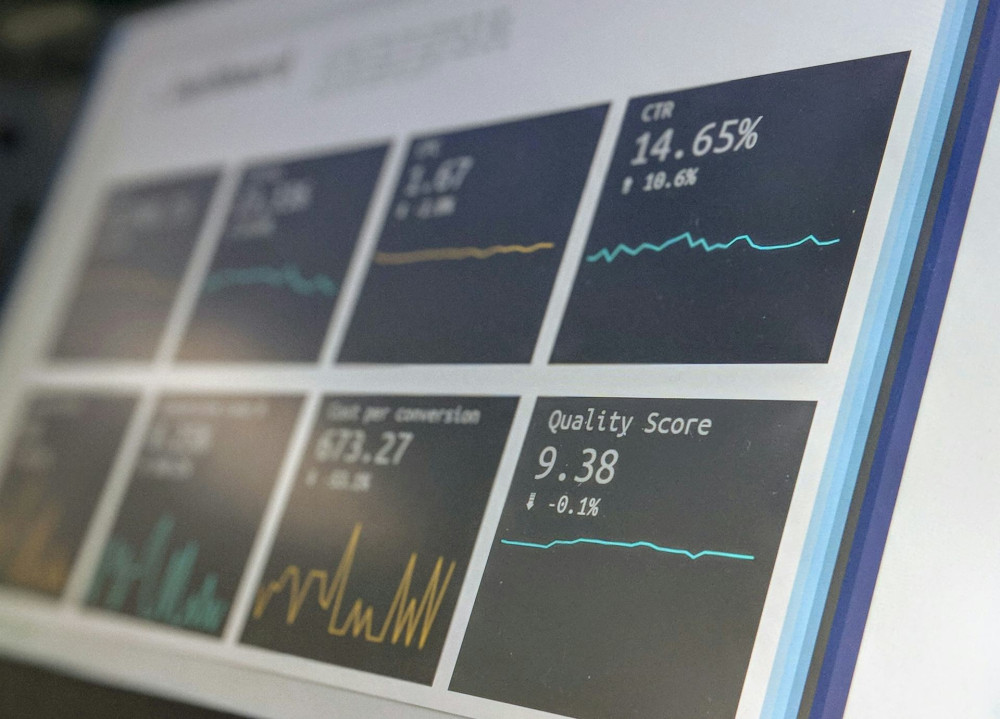
Digital tools now provide access to vast amounts of data about customer behaviour: clicks, searches, purchases, and social media interactions. This information is valuable, but data alone doesn’t tell the whole story. It shows what people do – not necessarily why they do it.
That’s why you should combine quantitative data with qualitative insight. Interviews, surveys, and focus groups can reveal the motivations and experiences behind the numbers. It’s about seeing the data in the context of the human stories that drive it.
Læs også:




Segmentation: One Size Doesn’t Fit All
Even within a narrow target group, there can be major differences. Some customers are price-conscious, others prioritise quality. Some are loyal, while others constantly seek novelty. By segmenting your audience into smaller groups with shared characteristics, you can tailor your communication and offering more precisely.
A good segment is:
- Measurable – you can identify and describe it.
- Meaningful – it’s large enough to be relevant.
- Reachable – you can access it through your chosen channels.
- Responsive – it reacts differently to different messages.
Segmentation allows you to speak to people on their own terms – and that increases the likelihood that they’ll listen.
Motivation in Practice: Turning Insight into Action
Once you’ve mapped out what motivates your audience, the next step is to turn that insight into action. You can do this in several ways:
- Adapt your language and tone – speak at eye level with your audience and use words they would naturally use.
- Create relevance – show how your product or service solves a real problem.
- Appeal to emotions – use storytelling, imagery, and examples that strike a chord.
- Build trust – be transparent and live up to the values you communicate.
Motivation is ultimately about creating meaning. When customers feel that you understand them, and that your brand represents something they can identify with, the relationship becomes stronger – and loyalty grows.
Know Your Audience – and Keep Learning
Knowing your audience isn’t a one-off task but an ongoing process. People’s needs and values change over time, and new trends and technologies influence how they make decisions. That’s why you should continuously gather feedback, monitor behavioural data, and adjust your strategy.
The better you understand what drives your customers, the better you can create products, messages, and experiences that deliver real value – both for them and for your organisation.
Læs også: