Interaction between Online and Offline: Social Media as a Strategic Link

Interaction between Online and Offline: Social Media as a Strategic Link
In a time when the boundary between the digital and the physical is becoming increasingly blurred, social media plays a central role as the link between online and offline activities. For businesses, organisations, and entrepreneurs in the UK, it is no longer enough to simply have an online presence – the real value lies in creating a synergy where digital platforms support real-world experiences, relationships, and actions. Social media has become the strategic tool that connects these two worlds.
From Visibility to Experience
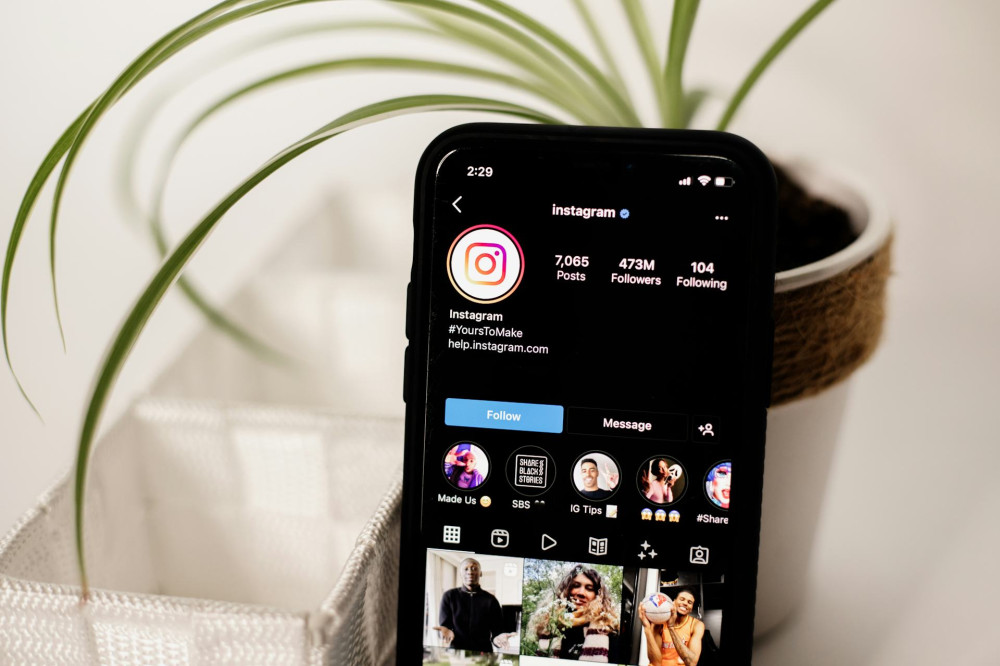
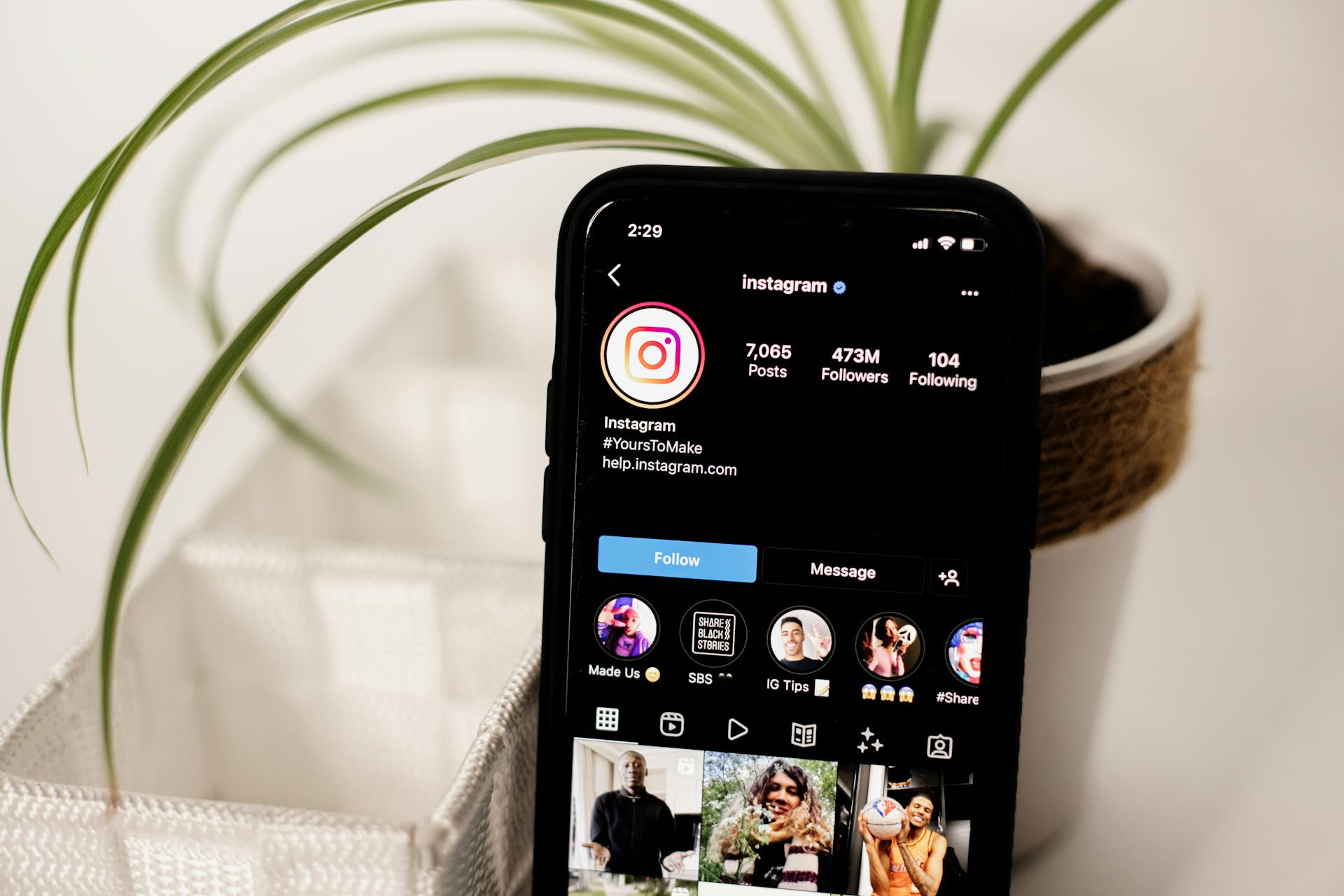
In the early days, social media was mainly used to increase visibility – a place to share news, campaigns, and images. Today, it is much more about creating experiences that move seamlessly across channels. A campaign on Instagram might lead to an in-store event, while a memorable experience in a shop or café can inspire customers to share photos and stories online.
It is in this interaction that real value emerges. When online and offline activities reinforce each other, a brand becomes more authentic and relatable. Customers experience a sense of coherence that strengthens trust and builds a more personal connection.
Læs også:



Social Media as a Bridge
Social media acts as a bridge between a company’s digital presence and customers’ real lives. It offers opportunities to:
- Create dialogue – instead of one-way communication, businesses can listen, respond, and engage in genuine conversations with their audience.
- Extend experiences – a physical event can live on online through photos, videos, and user-generated content.
- Build communities – social media makes it possible to bring people together around a brand, a cause, or a shared interest – both digitally and in person.
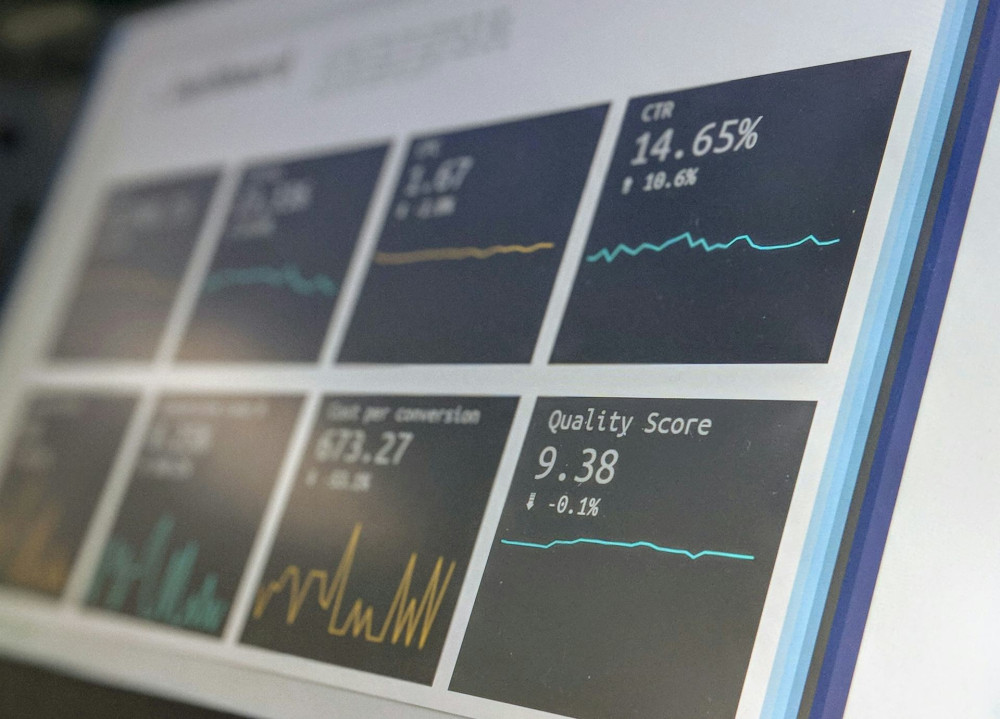
- Measure and adapt – data from social media provides insights into how customers react, helping to refine offline activities.
When used strategically, social media becomes more than a marketing channel – it becomes a tool for creating consistency throughout the entire customer journey.
Examples of Effective Integration
Across the UK, many businesses have already demonstrated how online and offline can strengthen each other. A local coffee shop might use Instagram to showcase its seasonal drinks and encourage customers to share their own photos with a branded hashtag. A retail chain could use QR codes in-store to give shoppers access to exclusive online offers. A museum might use Facebook and TikTok to build anticipation before an exhibition – and then share visitors’ reactions afterwards.
What these successful examples have in common is a holistic approach. They do not treat social media as a separate universe but as an integrated part of the overall experience.
Authenticity and Connection as Key Values
In a world saturated with advertising and algorithms, consumers crave authenticity. They want to feel that there are real people behind a brand. Therefore, the strategic link between online and offline is not only about technology – it is also about tone, timing, and trust.
When a business shares behind-the-scenes stories, highlights its employees, or invites customers to contribute their own content, it creates a sense of community. This human touch makes the brand more approachable – and it is precisely here that social media can bridge the gap between screen and reality.
How to Create a Strong Connection
To make the most of the interaction between online and offline, consider the following:
- Think holistically – plan campaigns where online and offline activities support each other.
- Create shareable experiences – make it easy and natural for customers to take photos, tag, and share.
- Use data wisely – analyse how online engagement influences physical behaviour – and vice versa.
- Be consistent in tone and style – ensure customers recognise your brand across all channels.
- Encourage participation – invite customers to become co-creators of your brand story.
When online and offline merge, marketing becomes more than communication – it becomes an experience that lives in both the digital and physical worlds.
The Future of Marketing is Hybrid
The future points towards an even closer integration between online and offline. Social media will continue to serve as the strategic link that enables brands to create holistic experiences, allowing customers to move effortlessly between screen and reality.
It is no longer about choosing between digital or physical – but about understanding how the two can enhance each other. When that balance is achieved, social media becomes not just a tool for visibility, but a platform for relationships, experiences, and community.
Læs også: