Business Development as a Growth Engine: From Idea to Competitive Strength


Business Development as a Growth Engine: From Idea to Competitive Strength
In a business landscape defined by rapid change, business development has become a vital discipline for companies seeking to grow and maintain their competitive edge. It is not just about generating new ideas, but about turning those ideas into tangible results – products, services, and business models that create value for both customers and the organisation itself.
This article explores how business development can act as a growth engine – from the first spark of an idea to implementation and long-term competitive strength.
From Idea to Strategy
Every development journey begins with an idea. It might be a new product, an improvement to an existing service, or a completely new way of meeting customer needs. But ideas alone do not drive growth – the ability to select, test, and translate them into strategy does.
Effective business development requires a structured approach:
- Identify opportunities through market research, customer insights, and trend analysis.
- Assess potential – how large is the demand, and how well does the idea align with the company’s strategic direction?
- Develop a plan for execution, including resources, timelines, and measurable goals.
The key is to build a bridge between creativity and commercial understanding – between vision and reality.
Innovation as the Driving Force
Innovation lies at the heart of business development. Yet innovation does not always have to be disruptive. Often, it is the small, continuous improvements that generate the greatest value over time.
Successful innovators tend to share three characteristics:
- They experiment – testing ideas quickly and learning from failure.
- They involve customers – using feedback to refine and improve solutions.
- They foster a culture of change – encouraging employees to think creatively and take initiative.
When innovation becomes part of a company’s DNA, business development stops being a project and becomes an ongoing process.
Data and Digitalisation as Catalysts
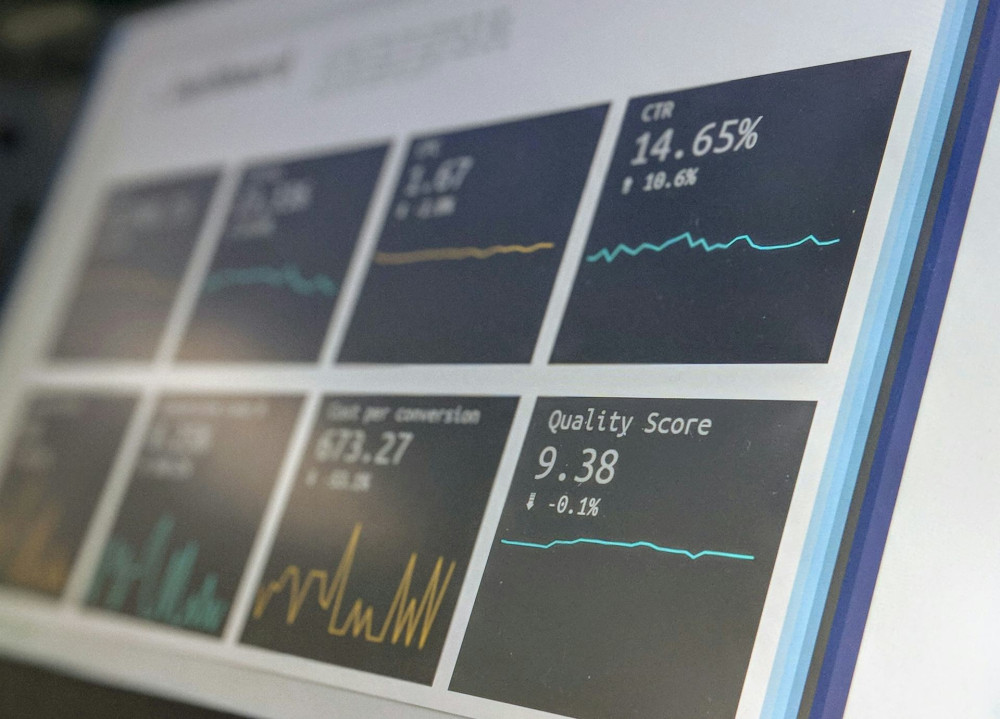
Digital transformation has reshaped how businesses evolve. Data now provides deep insights into customer behaviour, market movements, and internal performance – enabling better, faster decisions.
By combining data analytics with business development, companies can:
- Identify new market segments and growth opportunities.
- Optimise sales and marketing efforts.
- Anticipate trends and respond more swiftly to change.
Digital tools also make it easier to test new concepts on a smaller scale before rolling them out widely, reducing risk and accelerating development.
Collaboration Across the Organisation
Business development rarely succeeds in isolation. It requires collaboration across departments – from sales and marketing to operations and customer service.
When the entire organisation works towards shared goals, synergy emerges. Sales teams can provide insights into customer needs, while operations can assess how new ideas can be delivered efficiently.
Leadership plays a crucial role in creating the right conditions for this collaboration – ensuring that business development is not a side initiative, but an integrated part of the company’s overall strategy.
From Development to Competitive Strength
The ultimate measure of successful business development is whether it strengthens the company’s competitive position. This happens when new ideas are transformed into solutions that differentiate the business – through superior products, a stronger brand, or more efficient processes.
Business development is therefore not just about growth; it is about resilience. In a world where customer expectations and technology evolve constantly, the ability to adapt and innovate is the most sustainable competitive advantage.
Læs også:




A Continuous Journey
Business development is not a linear process with a clear endpoint. It is a continuous journey of learning, adaptation, and reinvention.
The companies that succeed are those that make development a natural part of their culture – not just reacting to change, but driving it. Ultimately, business development is about creating value before others see the opportunity.
Læs også: