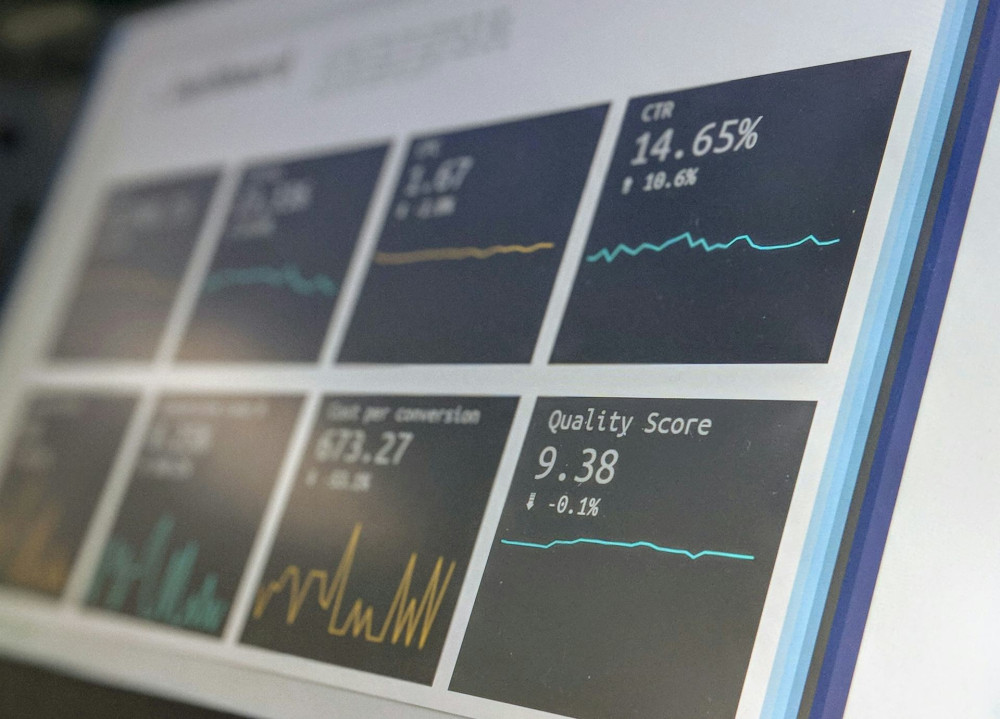
Data Discipline: Organise Your Data to Create Real Value in Your Analyses

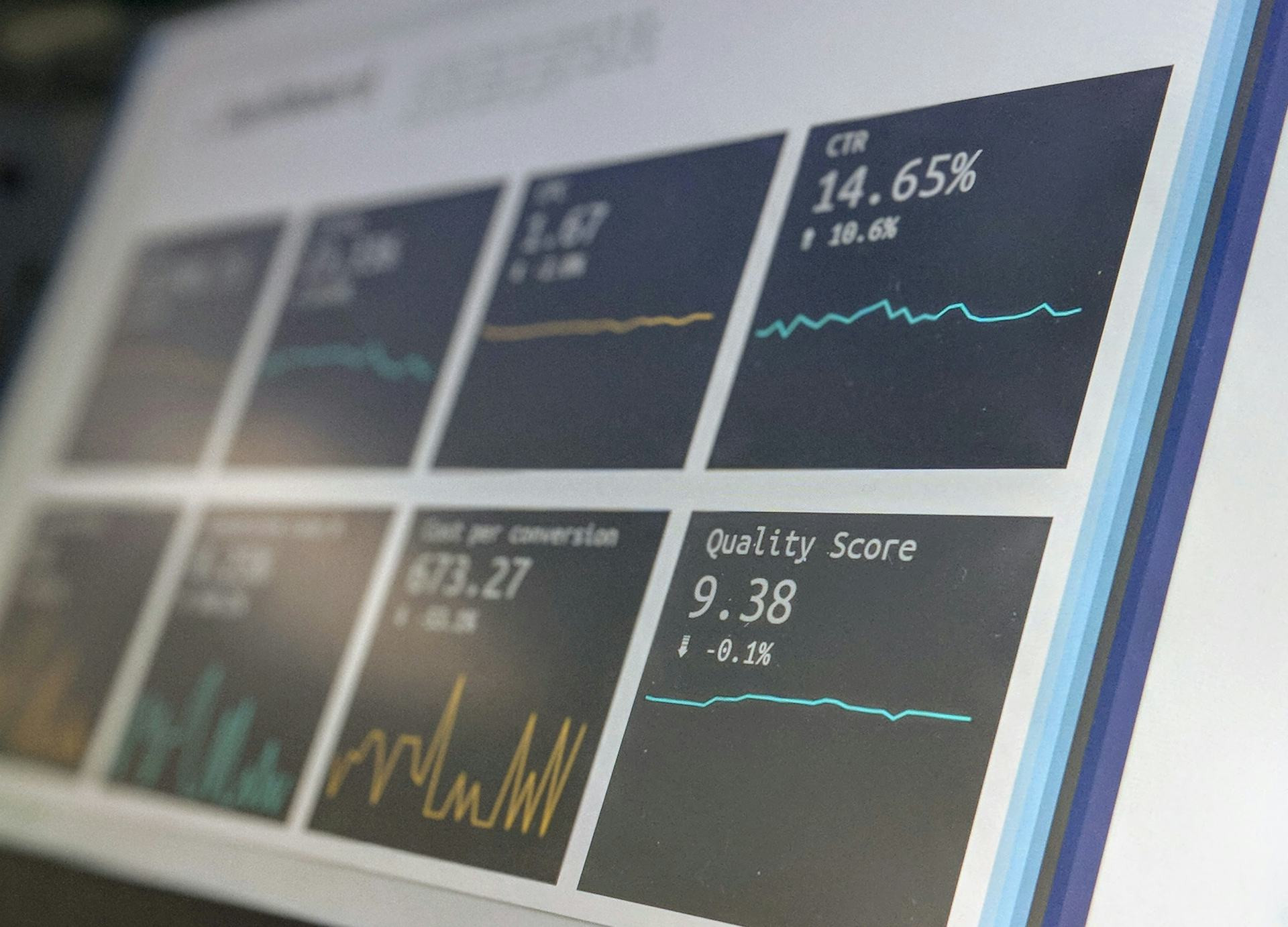
Data Discipline: Organise Your Data to Create Real Value in Your Analyses
In an age where organisations collect more data than ever before, it’s easy to assume that more data automatically leads to better decisions. But without structure, quality, and clear processes, data can quickly become a burden rather than a resource. Data discipline is about creating order so that your data can actually generate insight and value – not just fill up servers and dashboards.
Why Data Discipline Matters
Many UK organisations find themselves sitting on vast amounts of data but struggle to make it work together. Different systems, inconsistent formats, and missing documentation make it difficult to trust the numbers. The result is often delayed analyses or decisions based on outdated or incomplete information.
Data discipline is not just a technical issue – it’s a cultural one. It requires everyone in the organisation to understand the value of clean, well-structured data and to take responsibility for maintaining it.
Start by Defining What Really Matters
Before you start tidying up your data, you need to know which data actually matter to your business. Ask yourself:
- Which key metrics do we use to measure success?
- Which data sources support our most important decisions?
- Which data are rarely used – and why?
By identifying what is business-critical, you avoid wasting time cleaning and structuring data that don’t create real value.
Læs også:




Build Structure and Ownership
A core principle of data discipline is that data must have owners. This means clearly defining who is responsible for ensuring that data are accurate, up to date, and properly documented. It could be a data steward, a department head, or a specific employee with domain knowledge.
At the same time, establish a shared structure for how data are stored and named. It may sound trivial, but consistent naming conventions, formats, and folder structures make a huge difference when data need to be shared and analysed across teams.
Clean and Validate Your Data Continuously
Data age quickly. Customers move house, products change names, and systems are updated. That’s why data cleaning should not be a one-off project but a continuous process.
Set up regular routines to:
- Remove duplicates and incomplete records
- Update outdated information
- Validate data against external sources where relevant
- Document changes so they can be traced
The more automated this process is, the easier it becomes to maintain high quality.
Make Data Accessible – but Controlled
Data discipline is also about finding the right balance between accessibility and control. If data are too locked down, they lose value because they can’t be used in analyses. If they’re too open, you risk errors and misuse.
Consider building a central data warehouse or a “single source of truth” where approved data are collected and made available across the organisation. Combine this with clear access rights and logging so you can keep track of who uses what.
Create a Culture of Active Data Use
Even the most well-organised data lose value if they’re not used. Data discipline must therefore be supported by a culture where data are a natural part of decision-making. This requires employees to understand how data can help them – and leaders to set the tone by asking for data-driven insights.
Run workshops, share dashboards, and highlight concrete examples of how better data quality has led to better results. This builds motivation and ownership.
From Data to Insight – and from Insight to Action
When your data are structured, clean, and accessible, you can start to unlock their full potential. This is where analyses, models, and visualisations truly come to life. But remember: even the most advanced analysis is only as good as the data it’s built on.
Data discipline is not an end in itself – it’s a foundation. It’s the quiet, systematic effort that enables faster, smarter, and more precise decisions – and ultimately creates real value.
Læs også: