Make Sustainable Office Design a Shared Project with Your Employees

Make Sustainable Office Design a Shared Project with Your Employees
Sustainability in the workplace is about more than renewable energy and recycling bins. It’s also about how we design and use our offices. A sustainable office design can reduce your company’s environmental footprint, improve wellbeing, and strengthen team spirit. But for it to truly work, everyone needs to be involved. Here’s how you can make sustainable office design a shared project with your employees.
Start with dialogue and idea generation
The first step towards a sustainable office is to involve your employees from the very beginning. They use the space every day and know what works – and what doesn’t. Invite them to a workshop or team meeting to discuss how the office could become more environmentally friendly and functional.
Create an idea board where everyone can contribute suggestions: Should there be more plants? Can existing furniture be refurbished instead of replaced? Is there a need for better lighting or more flexible work zones? When employees have a say, engagement grows – and the solutions become more effective and lasting.
Think reuse and circular solutions
Sustainable design doesn’t necessarily mean buying new furniture. In fact, reusing what you already have can be both cost-effective and environmentally sound. Many items can be refreshed with a coat of paint, new upholstery, or a different layout.
Consider sourcing second-hand furniture from other businesses or specialist suppliers. This reduces resource use and gives your office a unique character. If you do need to invest in new pieces, choose products designed for longevity, modularity, and repairability.
Create zones that support wellbeing and flexibility
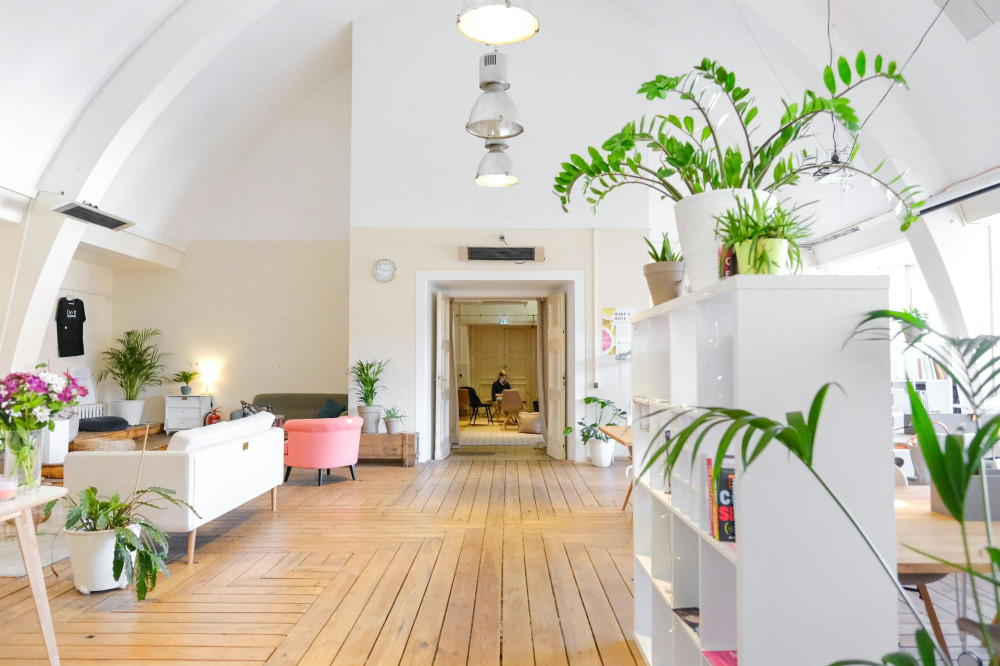
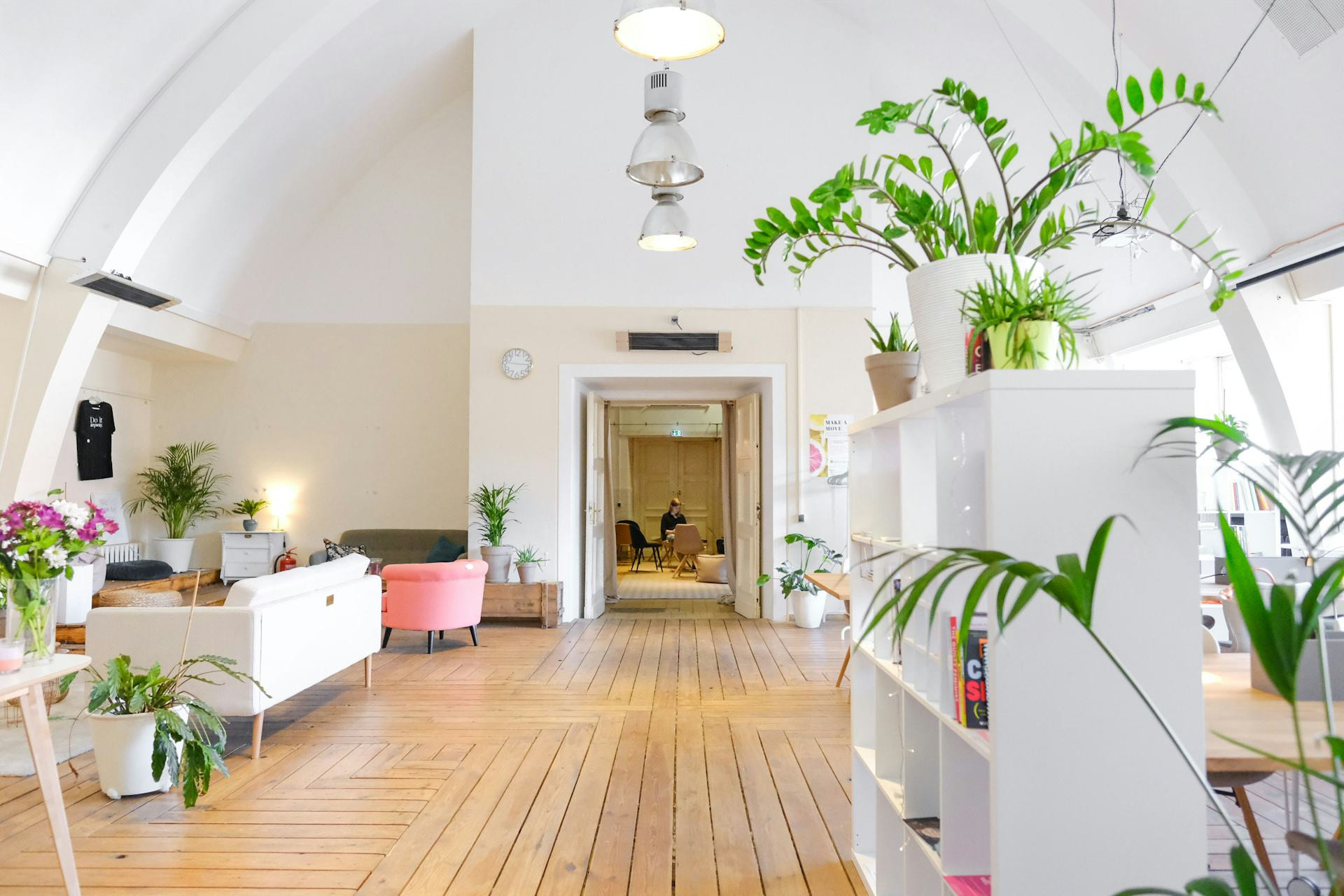
A sustainable office isn’t just green – it’s also a place where people thrive. The layout should support different ways of working: quiet zones for focus, collaborative areas for teamwork, and relaxed corners for breaks.
Use natural materials such as wood, wool, and recycled textiles, and ensure good acoustics and ventilation. Green plants can improve air quality and create a calming atmosphere, while natural light and adjustable lighting make it easier to stay focused. When employees feel comfortable in their workspace, productivity and job satisfaction rise.
Make sustainability visible in everyday life
For sustainability to become part of your workplace culture, it needs to be visible day to day. Small initiatives can make a big difference: clear recycling stations, reusable mugs instead of disposable cups, or a “swap shelf” for office supplies, books, and plants.
You could also set up a green working group to monitor progress and suggest new ideas. This fosters ownership and ensures that enthusiasm doesn’t fade after the initial push.
Measure and celebrate progress
When working on sustainable office design, it’s important to track results. Measure how much waste you’ve reduced, how many items have been reused, or how energy consumption has changed after improvements. Share these results across the company – on your intranet, in newsletters, or at team meetings.
Celebrate milestones along the way. It could be a shared lunch, a sustainability-themed day, or a short feature in your internal communications. Recognition keeps motivation high and makes the process more enjoyable.
Læs også:

An investment in both planet and people
Making sustainable office design a shared project isn’t just about saving resources. It’s about creating a workplace where employees feel heard, engaged, and proud of where they work. When sustainability becomes a collective effort, it strengthens your company culture and sense of responsibility – with benefits that reach far beyond the office walls.
Læs også: