Workshops and brainstorming as effective tools for identifying risks

Workshops and brainstorming as effective tools for identifying risks
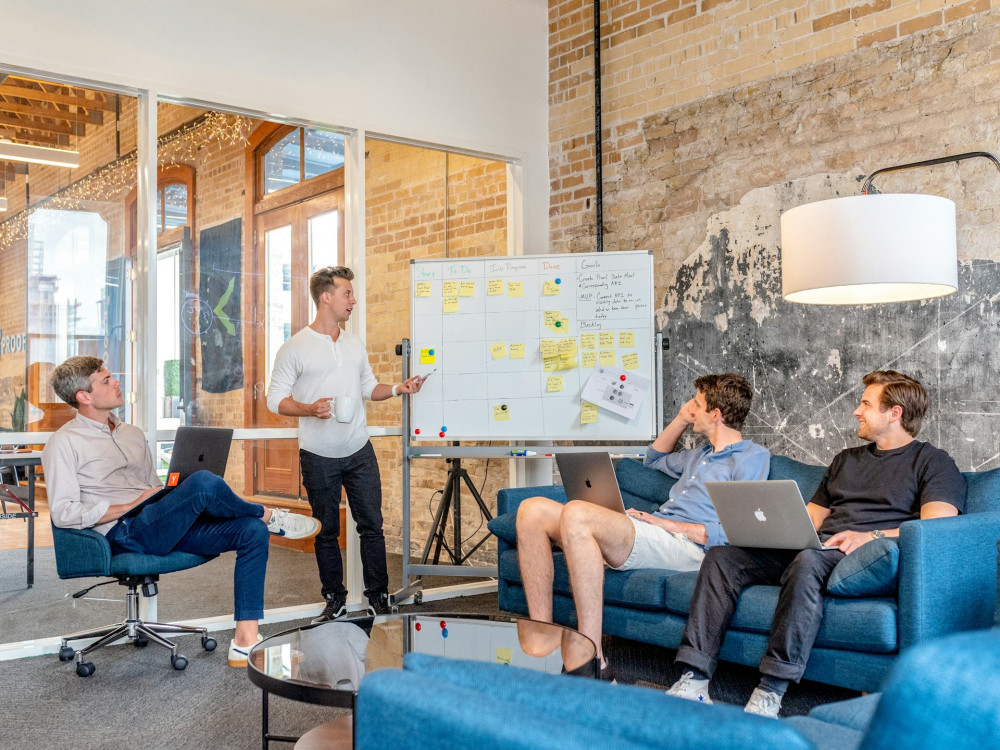
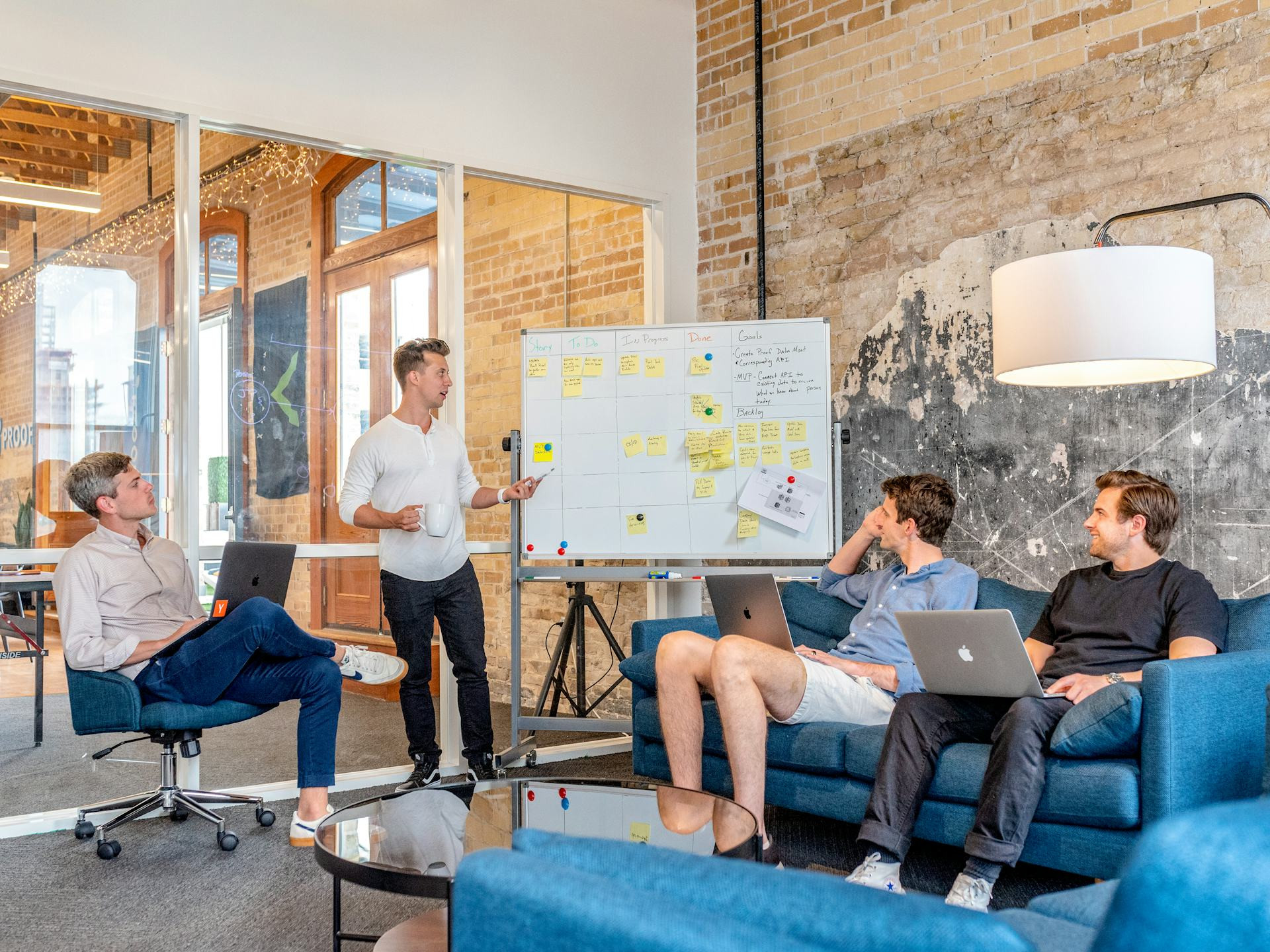
Identifying and understanding risks is a vital part of any organisation’s work – whether it concerns project management, strategic planning, or day-to-day operations. Yet risks are not always easy to spot, especially when they are hidden within complex processes or unchallenged assumptions. Workshops and brainstorming sessions can be particularly effective tools in this regard. They create space for dialogue, shared reflection, and new perspectives – helping to uncover both known and hidden risks.
Why collaborative risk assessment leads to better outcomes
Risk management is often viewed as a technical discipline, but in reality, it is largely about people. Bringing together employees from different departments in a workshop allows a variety of experiences, viewpoints, and concerns to surface. This diversity provides a more nuanced picture of where the organisation may be vulnerable.
Collaborative risk assessment also fosters ownership. When employees have been directly involved in identifying and discussing risks, they are more likely to take responsibility for managing them. This strengthens both the implementation of solutions and the overall risk awareness across the organisation.
How to plan an effective risk workshop
A successful workshop requires careful preparation. It is not just about booking a meeting room, but about creating the right conditions for open dialogue and creative thinking.
- Define the purpose clearly. Is the workshop intended to identify risks in a specific project, a new strategy, or ongoing operations? A clear focus helps guide the discussion.
- Assemble a cross-functional group. Invite participants from different levels and functions – those close to the operational work as well as those with a strategic overview.
- Use an experienced facilitator. A neutral facilitator ensures that everyone has a voice and that the discussion remains constructive.
- Create a safe environment. Participants must feel comfortable raising concerns and uncertainties without fear of criticism.
Once the framework is in place, various methods can be used to structure the work – for example, brainstorming, scenario planning, or risk matrices.
Brainstorming as a catalyst for new perspectives
Brainstorming remains a classic yet powerful tool for generating ideas and revealing risks that might otherwise go unnoticed. The key is to separate the idea generation phase from the evaluation phase: first, all ideas should be put on the table; only afterwards should they be assessed and prioritised.
A good way to start is by asking open-ended questions such as:
- What could prevent us from achieving our objectives?
- What assumptions are we relying on – and what if they turn out to be wrong?
- Which external factors could affect us that we cannot control?
By encouraging participants to think aloud and build on each other’s ideas, new insights often emerge. These can range from technical challenges to cultural or organisational risks that might otherwise have been overlooked.
From ideas to action
Once the risks have been identified, the next step is to assess and prioritise them. A simple risk matrix, where likelihood and impact are rated on a scale, can provide a clear visual overview of which risks require immediate action and which can be monitored over time.
It is important that the workshop does not become a one-off exercise. The results should be translated into concrete action plans, responsibilities, and follow-up activities. Many organisations choose to repeat the process regularly to ensure that their understanding of risk remains current.
The cultural benefit
Beyond the tangible outcomes, workshops and brainstorming sessions can help build a more open and learning-oriented culture. When employees see that their input is valued, trust and collaboration across the organisation are strengthened. This makes it easier to talk about mistakes, uncertainties, and challenges – and to prevent problems before they escalate.
Læs også:



An investment in resilience
Organising workshops and brainstorming sessions requires time and resources, but it is an investment that pays off. Organisations that work actively and inclusively with risk are better prepared when unexpected events occur. They have not only identified potential threats but also built a culture that responds quickly and works together effectively when it matters most.
Læs også: