Participant Involvement as Learning: Using Experience to Develop Stronger Event Formats

Participant Involvement as Learning: Using Experience to Develop Stronger Event Formats
When an event succeeds, it’s rarely just because of good planning or smooth logistics. Success also depends on how participants are engaged – before, during, and after the event. Involvement is not only a way to create engagement; it’s also a source of learning that can help organisers design stronger formats in the future. This article explores how you can use participants’ experiences as a foundation for continuous improvement in your events.
From Audience to Co‑Creators
Traditionally, many events have been built around one‑way communication: the organiser speaks, and the audience listens. But expectations have changed. Participants increasingly want to be part of the process. They don’t just want to attend – they want to contribute.
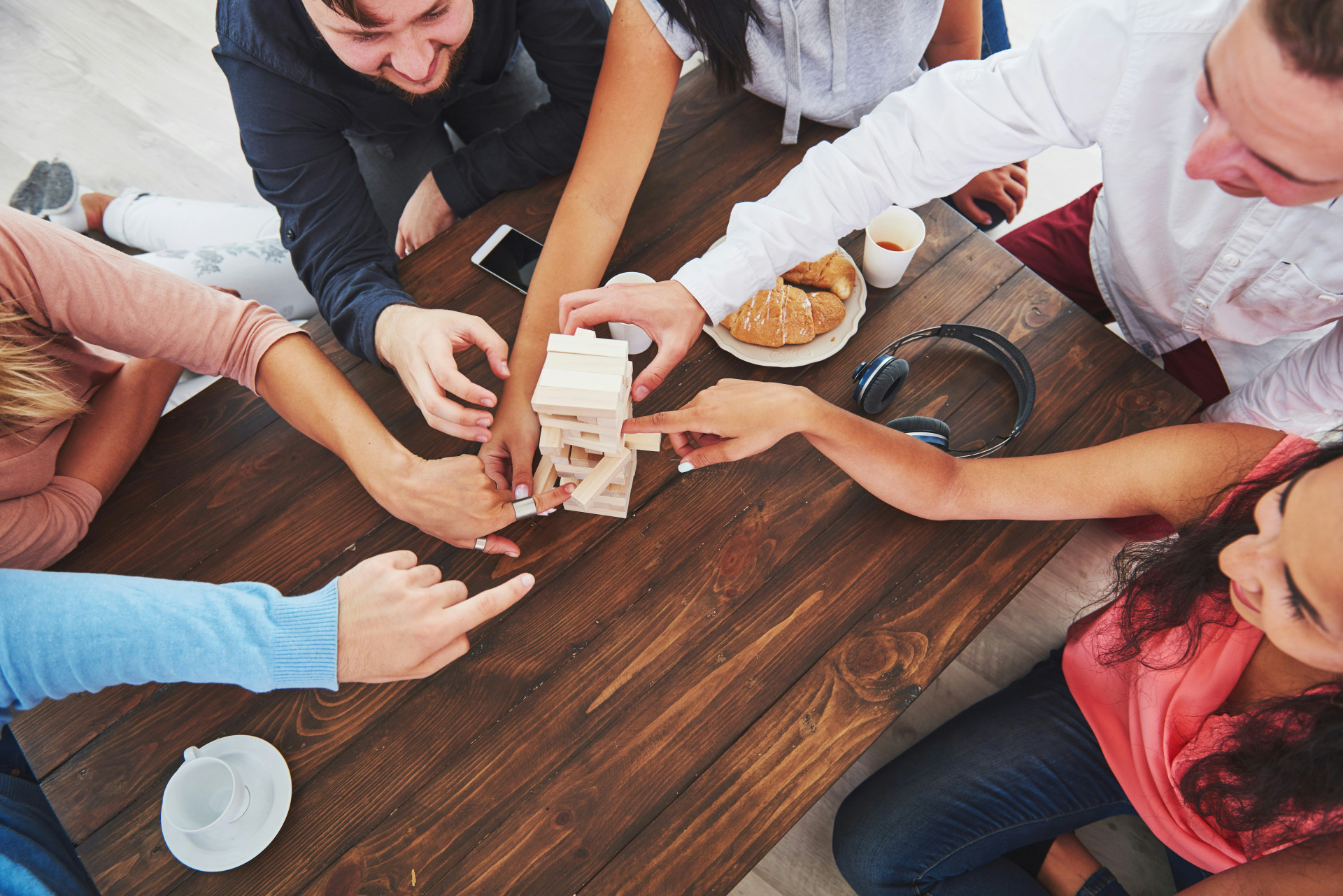
When you involve participants as co‑creators, a new dynamic emerges. This can happen through workshops, interactive sessions, digital platforms, or open discussions where participants share their perspectives. Such involvement fosters ownership and makes the experience more meaningful – for both participants and organisers.
Gathering Experience – Beyond the Feedback Form
After an event, many organisers send out a standard feedback form. While this can provide useful data, the most valuable insights often get lost because the questions are too general. To turn participant experience into genuine learning, a more nuanced approach is needed.
Consider combining quantitative and qualitative methods:
- Short interviews with selected participants immediately after the event can capture honest, specific impressions.
- Digital feedback tools used during the event can record reactions in real time.
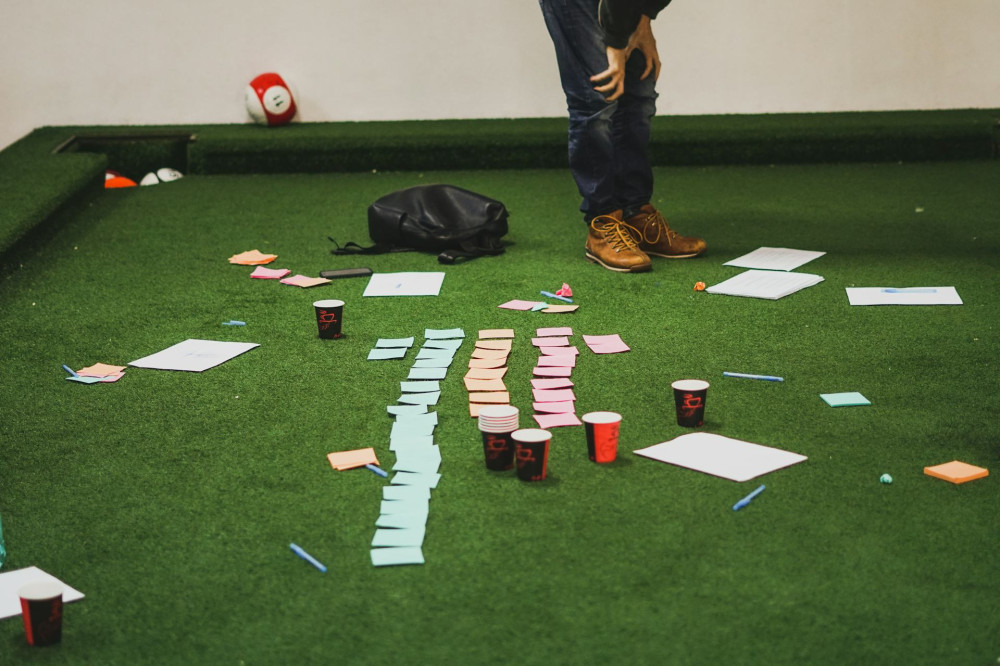
- Creative feedback formats, such as post‑it walls or digital whiteboards, can make it easier for participants to express themselves spontaneously.
By creating space for reflection and dialogue, you gain not only an understanding of what worked – but also why it worked.
Learning as Part of the Process
Participant involvement isn’t just about collecting feedback; it’s about building a learning culture around your events. This means actively using experiences to adjust, experiment, and develop new formats.
A good starting point is to integrate learning throughout the event process:
- Before the event: Involve potential participants in planning. Ask which themes, formats, or activities they find most relevant.
- During the event: Create moments for reflection – for example, short wrap‑up sessions where participants share what they’ve learned.
- After the event: Share results and insights openly. This shows that feedback is taken seriously and encourages continued engagement.
When learning becomes an integral part of the process, both organisers and participants grow together.
From Data to Action
The most important step in participant involvement is turning insights into action. Many organisations collect large amounts of data but fail to use it effectively. A systematic approach can make a real difference.
Try categorising feedback into three levels:
- What works well – and should be preserved.
- What can be improved – and needs adjustment.
- What’s missing – and could inspire new formats.
By working systematically with these insights, you can gradually build an internal knowledge base that makes future events more focused and effective.
Læs også:


Building a Culture of Co‑Creation
When participant involvement becomes a natural part of event culture, it changes the way planning is approached. It’s no longer just about delivering an experience, but about creating a shared space for development. Participants become co‑creators of the content, and organisers become learning hosts who facilitate dialogue and innovation.
It takes courage to give up some control – but the rewards are significant. Events built on co‑creation feel more relevant, engaging, and authentic. Most importantly, they generate lasting learning that extends beyond the event itself.
A New Way of Thinking About Event Development
Participant involvement as learning is not a passing trend; it’s an approach that can transform how we plan and evaluate events. When you actively use participants’ experiences, every event becomes an opportunity to learn, adapt, and grow.
It’s not about getting everything perfect the first time. It’s about creating a process where organisers and participants learn together. In this way, each event becomes more than just an experience – it becomes a step towards stronger, more meaningful formats.
Læs også: