Green Logistics in Practice: How Sustainability and Efficiency Go Hand in Hand

Green Logistics in Practice: How Sustainability and Efficiency Go Hand in Hand
Green logistics is not just about cutting carbon emissions – it’s about building smarter, more efficient supply chains. As both consumers and businesses in the UK demand greater environmental responsibility, sustainable logistics is becoming a competitive advantage rather than a cost. But how can companies combine environmental goals with operational efficiency in practice? Let’s explore how sustainability and efficiency can truly go hand in hand in modern logistics.
From Environmental Goals to Business Strategy
A few years ago, green logistics was often seen as a nice-to-have – something done for public image. Today, it’s a core part of many companies’ strategies. This shift is driven not only by government regulations and net-zero targets, but also by the realisation that sustainable solutions often make financial sense.
When businesses optimise routes, reduce packaging, or switch to electric vehicles, they save fuel, time, and money. Sustainability and efficiency are not opposites – they are two sides of the same coin.
Smarter Transport and Route Planning
Transport accounts for a large share of the logistics sector’s carbon footprint, making it a natural starting point for greener operations. With the help of digital tools, companies can plan routes that reduce mileage and avoid empty runs.
- Route optimisation using GPS and data analytics can significantly cut fuel consumption.
- Collaborative transport, such as sharing capacity with other firms, reduces the number of half-empty lorries on the road.
- Transitioning to electric or biofuel-powered vehicles is becoming more viable as charging infrastructure expands across the UK and technology matures.
Even small improvements in route planning can have a major impact when multiplied across thousands of deliveries.
Greener Warehouses and Energy-Efficient Operations
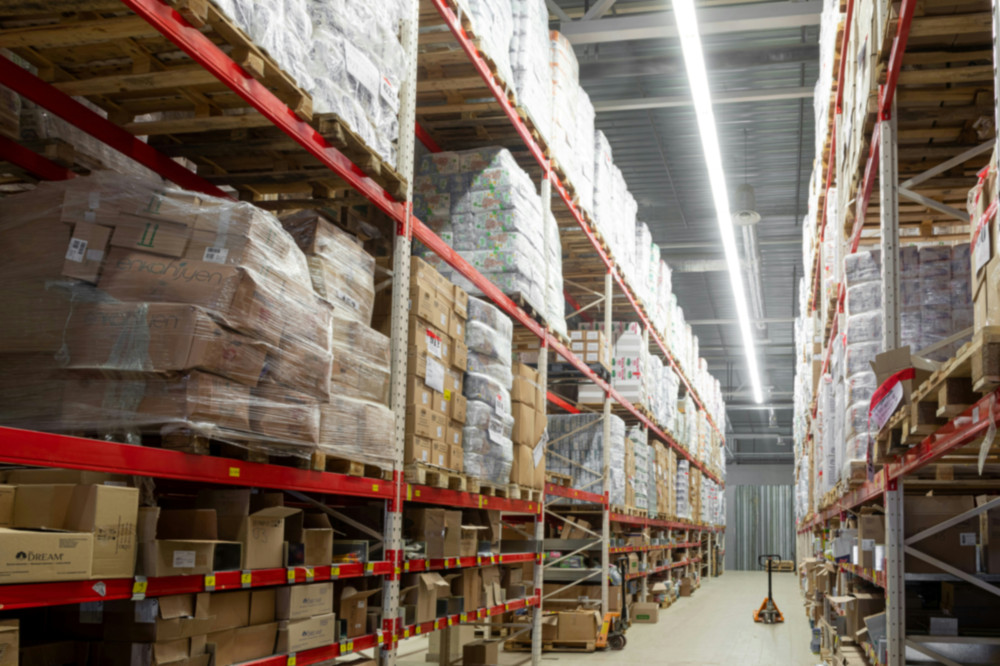
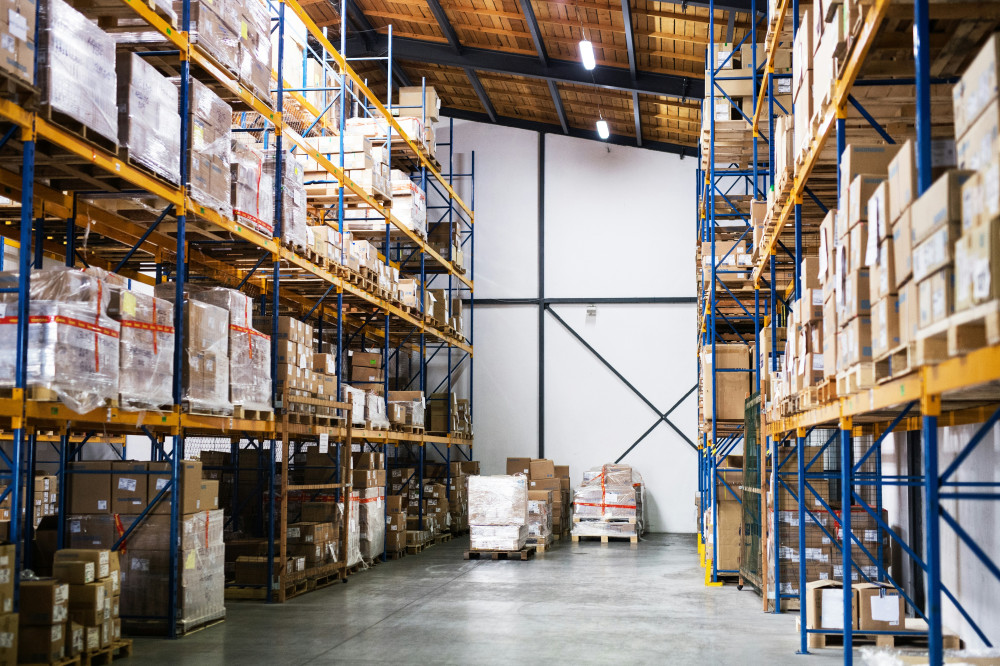
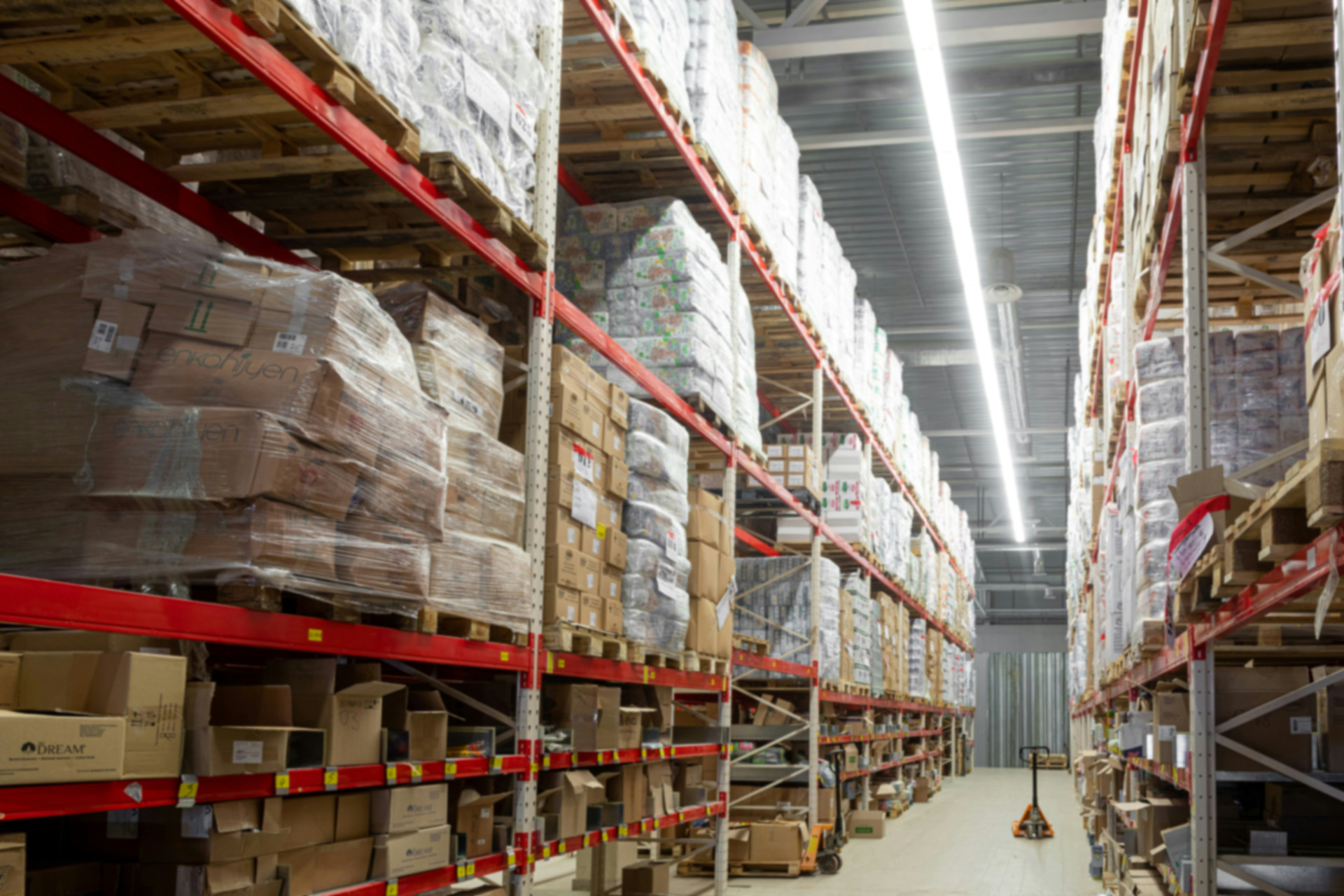
Warehouses are at the heart of logistics – and they hold great potential for energy savings. Modern facilities use technology and design to create sustainable and productive environments.
- LED lighting with motion sensors can dramatically reduce electricity use.
- Automation systems streamline picking and packing, saving both energy and resources.
- Insulation and smart climate control maintain stable temperatures without unnecessary energy waste.
- Solar panels on warehouse roofs can supply part of the site’s electricity while signalling environmental responsibility.
When energy efficiency is built in from the start, it becomes a natural part of operations rather than an added expense.
Packaging and Waste – Small Steps, Big Impact
Packaging is often overlooked, yet it offers huge potential for improvement. By choosing recyclable materials, reducing excess packaging, and designing smarter solutions, companies can save money and reduce waste.
An increasing number of UK businesses are adopting circular packaging systems, where boxes and pallets are returned, cleaned, and reused. It requires planning, but it quickly pays off through lower purchasing costs and less waste.
At the same time, waste sorting and recycling within warehouses contribute to a greener profile – and often to lower waste disposal fees.
Data as a Driver of Green Change
Digitalisation is a key enabler of green logistics. By collecting and analysing data on transport, energy use, and warehouse operations, companies can identify where the biggest improvements can be made.
A green dashboard might display CO₂ emissions per delivery, energy use per order, or vehicle utilisation rates. When the numbers are visible, it becomes easier to act – and to demonstrate progress to customers and partners.
Data also helps predict demand more accurately, reducing overproduction and unnecessary transport.
People as the Key to Success
Technology and strategy are vital, but green logistics only succeeds when people are on board. It requires a culture where sustainability is part of everyday decisions – from a driver’s fuel-efficient driving style to a warehouse worker’s approach to packaging.
Many companies find that green initiatives boost employee engagement. When staff can see that their actions make a difference, it fosters pride and motivation. That’s why green logistics should not just be a management project, but a shared responsibility.
Læs også:

The Future of Logistics Is Both Green and Efficient
Green logistics is not a passing trend – it’s a necessity and an opportunity. The companies that manage to combine sustainability with efficiency will be the ones that thrive in the future market.
By taking a holistic approach – from transport and warehousing to packaging and data – businesses can build logistics systems that reduce environmental impact while improving the bottom line.
In short: the green route is also the most efficient one.
Læs også: