Flexible Space Utilisation as a Driver of Sustainable Facility Management

Flexible Space Utilisation as a Driver of Sustainable Facility Management
In an era where sustainability and efficient resource use are at the forefront of organisational priorities, flexible space utilisation has become a key theme within facility management. The role of facility management is no longer limited to maintaining buildings and ensuring functionality; it now involves creating dynamic environments that support environmental, economic, and social goals. Flexibility in how space is used can be the key to reducing waste, optimising operations, and improving wellbeing for employees and building users alike.
From Fixed Desks to Fluid Functions
Traditionally, many UK organisations have operated with fixed allocations of desks, meeting rooms, and communal areas. However, with the rise of hybrid working and project-based collaboration, the need for flexibility has grown significantly. Why let an office sit empty for half the week when it could be shared by other teams or departments?
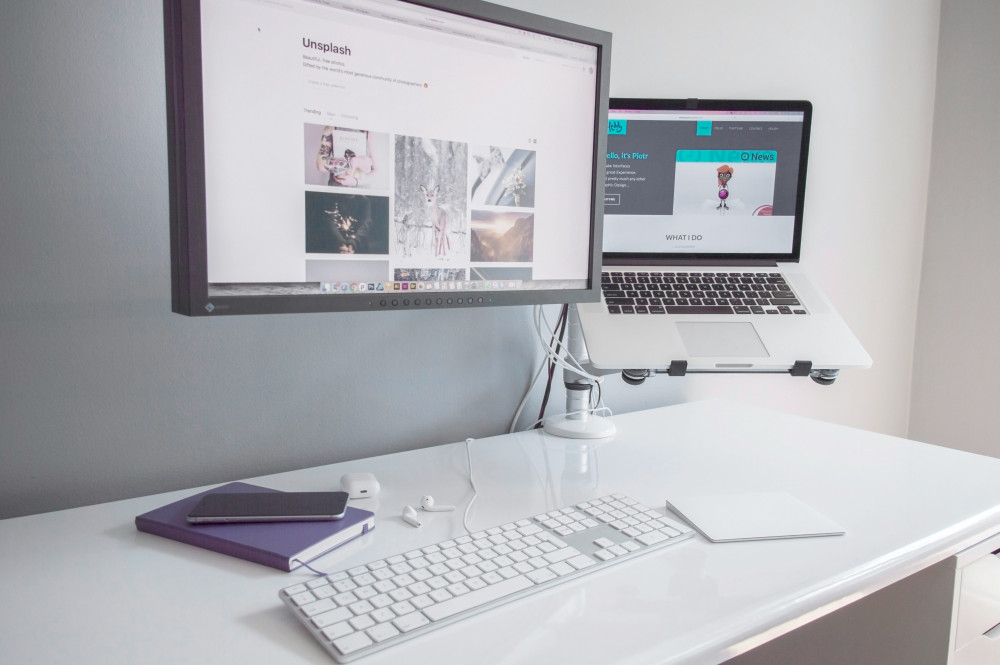
By introducing flexible solutions such as activity-based workspaces, shared zones, and modular furniture, organisations can make far better use of their existing space. This approach reduces the need for additional square footage, cutting both energy consumption and operational costs. In cities like London, where commercial real estate is expensive and sustainability targets are ambitious, such optimisation can have a major impact.
Data-Driven Decision Making
A major driver behind flexible space utilisation is data. Modern sensor technology and digital platforms make it possible to measure how buildings are actually used – how many people occupy a room, when meeting spaces are booked, and how energy consumption varies throughout the day.
These insights allow facility managers to adjust cleaning schedules, ventilation, and lighting based on real usage rather than fixed timetables. The result is less waste and more targeted resource management. At the same time, data provides a solid foundation for strategic decisions about future investments, space planning, and workplace design.
Læs også:



Sustainability in Practice
Flexible space utilisation contributes directly to sustainability on several levels:
- Environmental: by reducing energy use, waste, and the need for new construction.
- Economic: by optimising operational costs and making better use of existing assets.
- Social: by creating adaptable, engaging work environments that enhance wellbeing and productivity.
When employees can choose between different types of work zones – quiet areas, collaboration spaces, or creative lounges – both focus and teamwork are supported. This creates a more sustainable working day, where people and the planet are considered together.
The Interplay Between Technology and Behaviour
While technology plays a central role, flexibility ultimately depends on culture and behaviour. It requires both leadership and staff to rethink ownership and use of space. A workplace without assigned desks only works if there are clear guidelines, good communication, and a shared understanding of purpose.
Facility management can act as the bridge between technology, operations, and people – creating conditions that make sustainable behaviour the easy choice in everyday practice. Training, transparent policies, and user-friendly digital tools are essential to ensure that flexibility leads to efficiency rather than confusion.
The Future of Facility Management is Dynamic
The buildings of the future will increasingly function as living systems that adapt to users’ needs in real time. Sensors, artificial intelligence, and automated systems will make it possible to manage everything from cleaning to energy use based on actual activity. Yet technology is only a tool – the real transformation happens when organisations begin to view flexibility as a strategic resource.
Flexible space utilisation is not just about managing square metres; it is about creating sustainable environments for people to work, meet, and innovate. This is where facility management can make a genuine difference – as a driver of both efficiency and responsibility in a more sustainable built environment.
Læs også: